Tips for Responsible Foraging

Connecting with nature and improving wellbeing has become an increasingly important aspect of life, especially following the difficult years of Covid.
To be able to share time with family and friends in the outdoors is very special and we have a few tips for those who enjoy walking and might like to go foraging for wild food whether from hedgerows, the shoreline, woodland or open meadows.
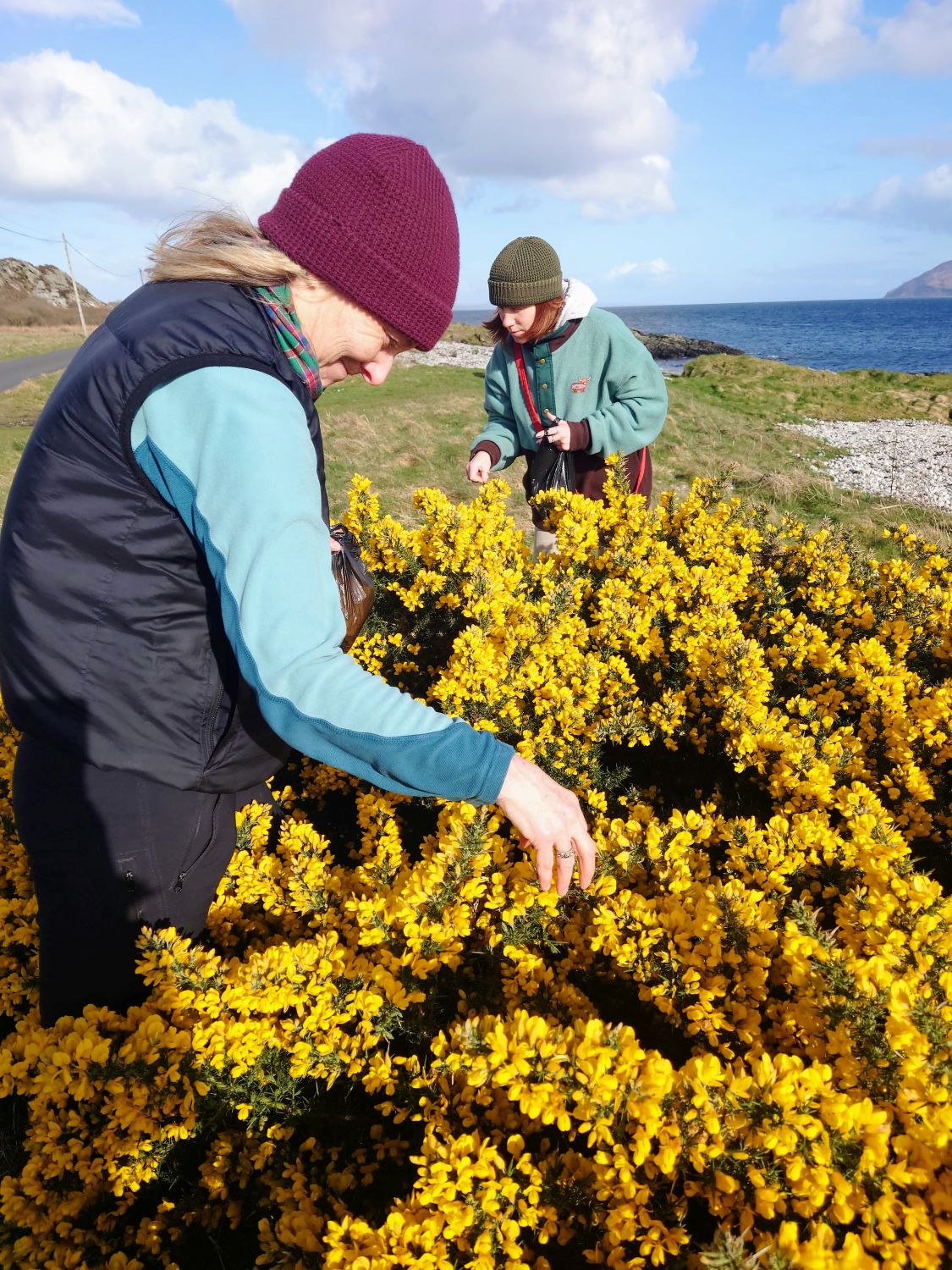
Learning to forage for sustainable ingredients is a real joy, and even if you are familiar with blackberries, nettles and rosehips, there are an abundance of other species out there, which often come as a surprise.
Importantly it is learning about what we can eat safely, where and how to collect wild species sustainably, correct identification – especially where species may be confused with a deadly lookalike – and knowing the law.
Generally foraging principles allow for responsible collection of the four ‘F’s: foliage, flowers, fruit and fungi.
This means:
· Take little – just enough for personal use and leave plenty for wildlife.
· Cut or pinch out neatly; don’t tear or pull up with roots (plants), holdfasts (seaweeds) or mycelium (fungi).
· Spread your picking – don’t take everything from one patch.
· Tread softly – be careful what other species you are walking over.
· Choose thriving and common species.
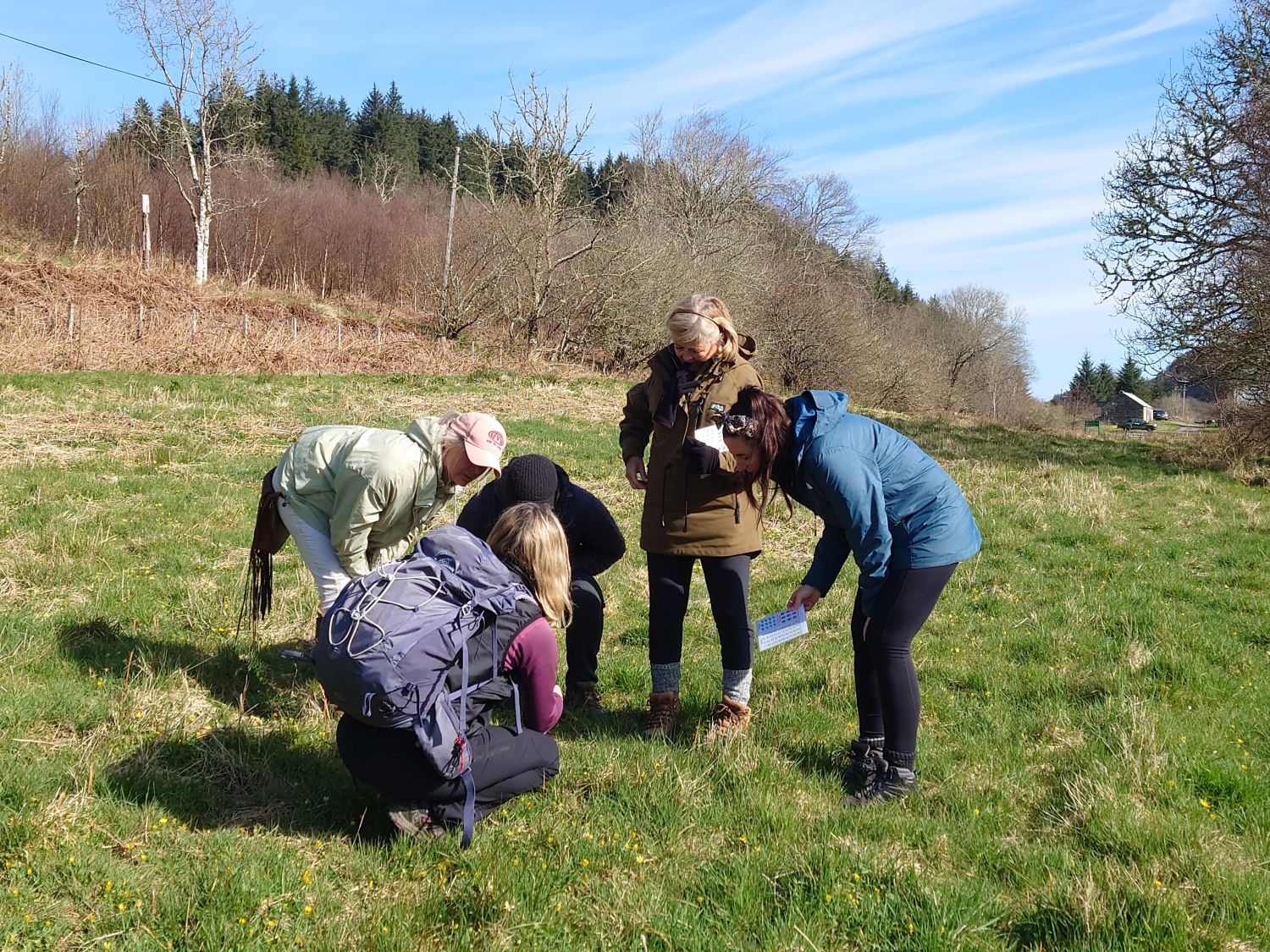
· Identify correctly – learn how to identify plants and fungi with a foraging instructor and through trusted ID guides.
· Learn about different hazards ie poisonous species, pollutants and chemicals, bacteria, waterborne diseases, pests, terrain, water, tides and weather. These aspects are usually covered as appropriate on courses run by instructors.
And be aware of the law:
· Do not dig up/remove roots and bulbs without the landowner’s permission.
· Do not collect or damage rare and protected species
· Do not collect or damage species in fragile and protected areas – ie National Nature Reserves (NNRs),Sites of Special Scientific Interest(SSSIs) or where there is a local bylaw - without permission from the landowner and relevant national body ie NatureScot. However, these places are often wonderful for walks and great for family outings so taking nothing but photographs and leaving nothing but footprints is more apt!
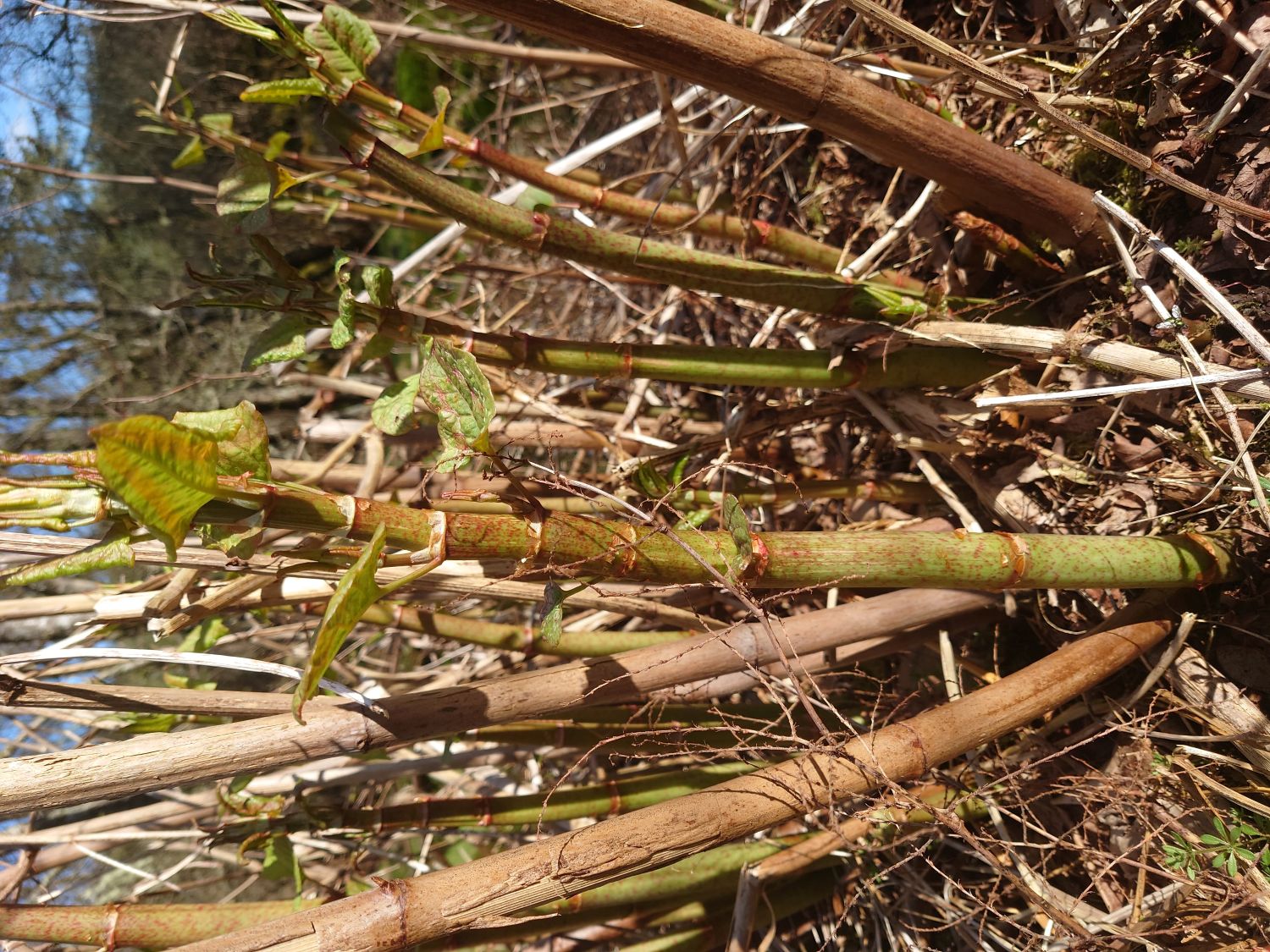
· Invasive species have their own caveats and rules for collection to prevent their spread, and may have been sprayed with dangerous chemicals. Such aspects are covered on most foraging courses. Some invasive species have excellent health benefits, and we use several in tasty recipes and drinks.
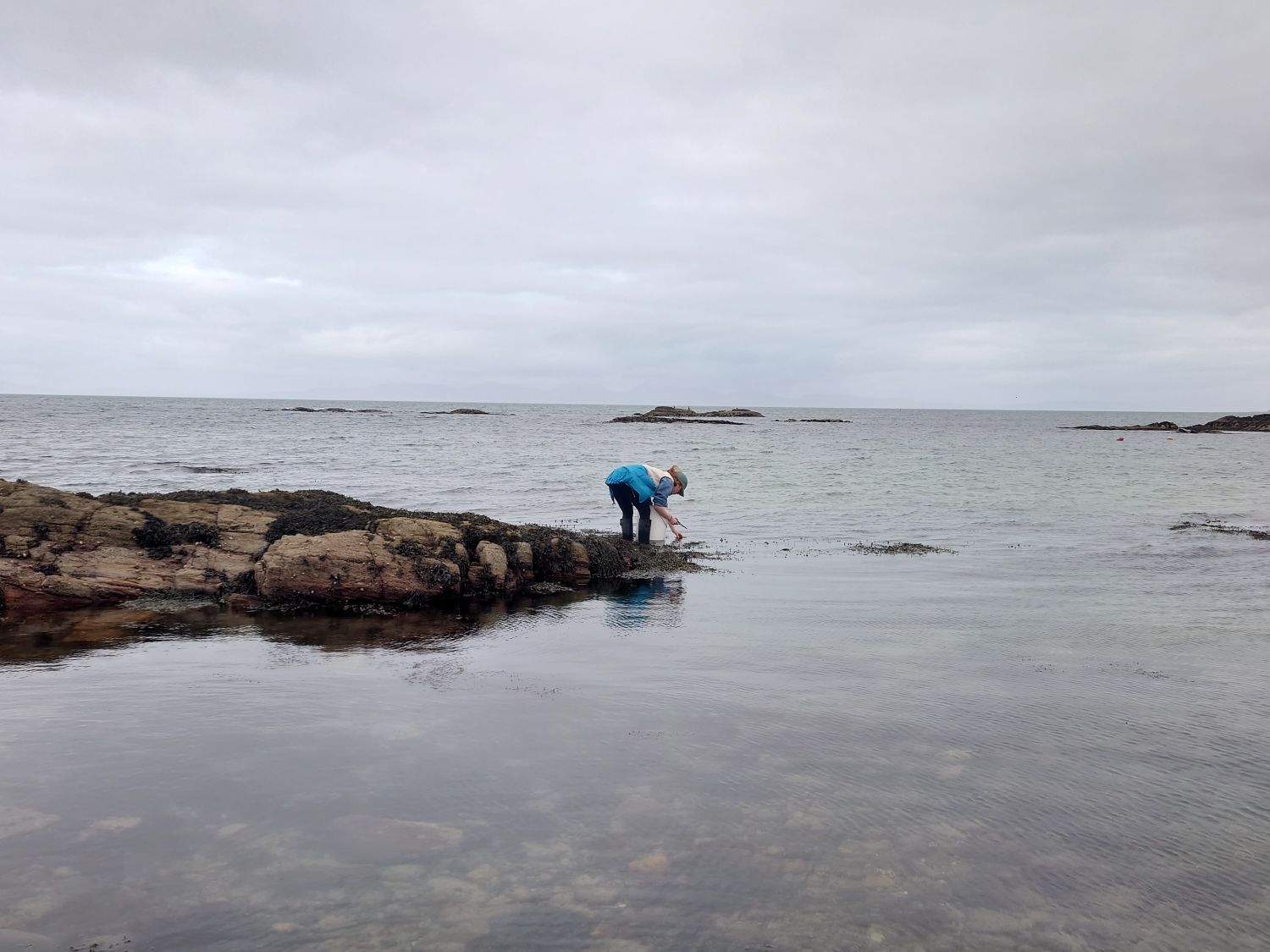
· Seaweeds are not included under the four ‘F’s, being mainly marine plants and algae growing from the lower foreshore down. They generally come under the jurisdiction of the relevant Crown Estate or local landowners. In most areas where access is allowed the collection of small quantities of seaweed for personal use is accepted although consideration should be given to local environmental sensitivities.
Please note: wild foods foraged for commercial purposes or financial gain require permission from the relevant landowner (and relevant national governing body where applicable) – licences are required for certain operations ie seaweed harvesting.
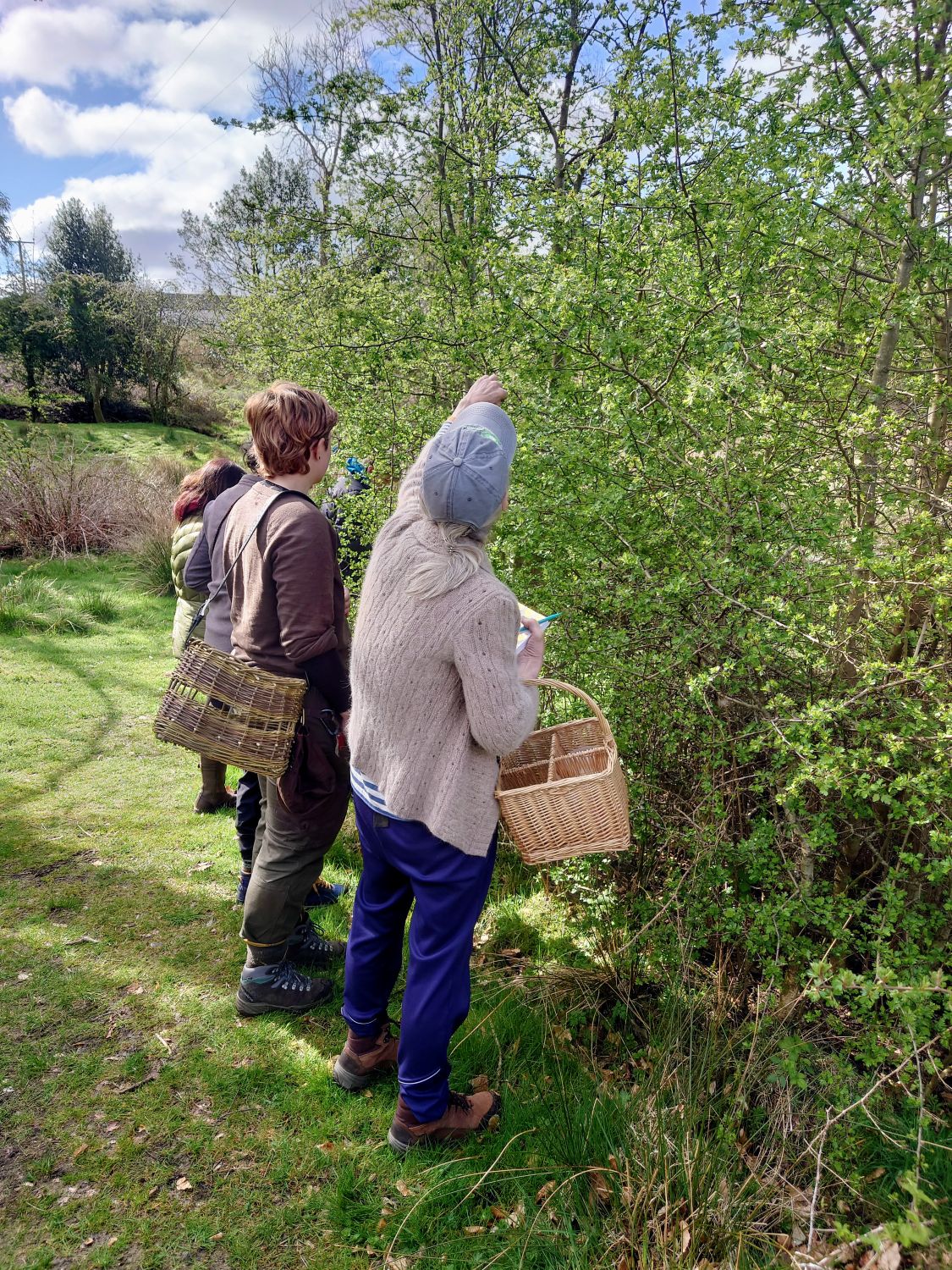
We offer a range of foraging courses, experiences, and advice. As a member of the Association of Foragers we also adhere to a strict code of conduct regarding sustainability and safety. Importnatly we want people to enjoy connecting with nature and learning about the precious resurces that surround us.